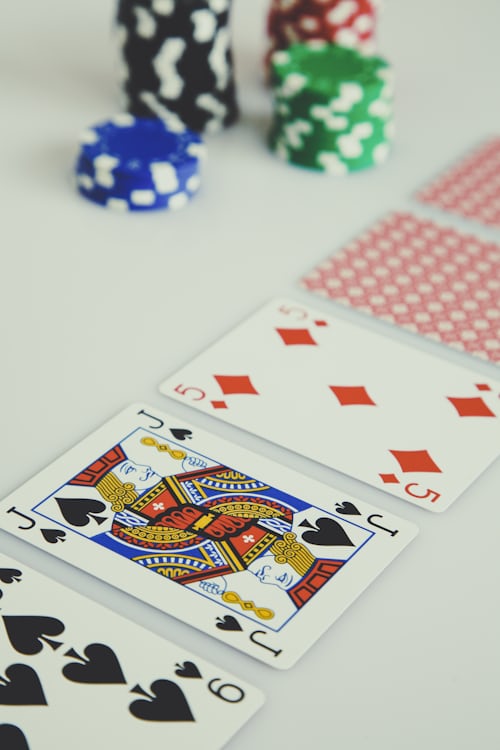
The psychology behind risk-taking behaviors in casino gambling
Risk-taking is a fundamental aspect of human behavior, particularly in high-stakes environments like casinos. Individuals are often drawn to gambling due to the thrill associated with the potential for reward. This attraction is rooted in psychological factors such as excitement, the allure of winning, and the opportunity to escape reality. For example, many players explore crypto gambling sites to experience new forms of betting, driven by the excitement of different strategies that promise greater winnings.
The decision to gamble often stems from cognitive biases, such as the illusion of control. Many players believe that they can influence outcomes through their actions or choices, despite the inherent randomness of casino games. This belief can lead to increased risk-taking, as individuals may feel emboldened to wager larger sums in pursuit of perceived control over their fate.
Emotions play a significant role in shaping gambling behaviors. Positive emotions, like exhilaration and anticipation, can amplify risk-taking tendencies. When players experience a win, the release of dopamine reinforces the behavior, encouraging them to continue gambling in hopes of replicating that success. Conversely, negative emotions, such as frustration or desperation to recover losses, can lead to reckless decision-making.
This emotional rollercoaster often results in a cycle of gambling, where wins are celebrated and losses are rationalized. Understanding the emotional triggers that lead to increased risk-taking can provide insight into how gamblers might better manage their behaviors and make more informed choices at the casino.
Cognitive biases are systematic patterns of deviation from norm or rationality in judgment. In the context of gambling, biases such as the gambler’s fallacy—believing that past events influence future outcomes—can lead to irrational decisions. For example, a player may think that after a series of losses, a win is due, prompting further risk-taking.
Additionally, the availability heuristic causes gamblers to weigh memorable wins more heavily than losses. This can create a skewed perception of odds and reinforce risky behaviors. By recognizing these cognitive biases, gamblers can work towards making more rational decisions and minimizing excessive risk-taking in their gambling activities.
The environment of a casino is meticulously designed to encourage risk-taking. Bright lights, engaging sounds, and a lively atmosphere create an immersive experience that heightens excitement. This sensory stimulation can diminish a player’s perception of risk, making them more likely to gamble aggressively.
Moreover, social factors, such as peer influence, can play a crucial role in risk-taking behaviors. Observing others winning can evoke a competitive spirit, prompting individuals to take bigger risks. Understanding how environmental elements affect decision-making can help gamblers navigate their choices more wisely, potentially reducing harmful behaviors.
At Colbert News Hub, we strive to provide insightful analysis on a variety of topics, including the psychology behind risk-taking behaviors in gambling. Our articles aim to delve deep into the motivations, emotions, and cognitive biases that influence individuals in high-stakes environments like casinos.
By exploring these themes, we hope to foster a better understanding of gambling behaviors and encourage informed decision-making among our readers. Stay tuned for more engaging content that keeps you connected to the evolving landscape of news and entertainment.