Unraveling the cultural influences on gambling behaviors worldwide
Gambling has been a part of human culture for centuries, with its roots traced back to ancient civilizations. In many cultures, gambling was intertwined with rituals and social events. For example, ancient Chinese and Roman societies engaged in games of chance during festivals, believing that luck could be influenced by divine forces. This historical context shapes the way contemporary societies perceive and engage in gambling today, including the rise of crypto casinos.
Furthermore, the evolution of gambling practices reflects changing societal values and norms. In some cultures, gambling was once viewed as a noble pastime, while in others, it was demonized. These shifting perceptions continue to influence modern gambling behaviors, revealing how cultural heritage plays a pivotal role in shaping attitudes towards games of chance.
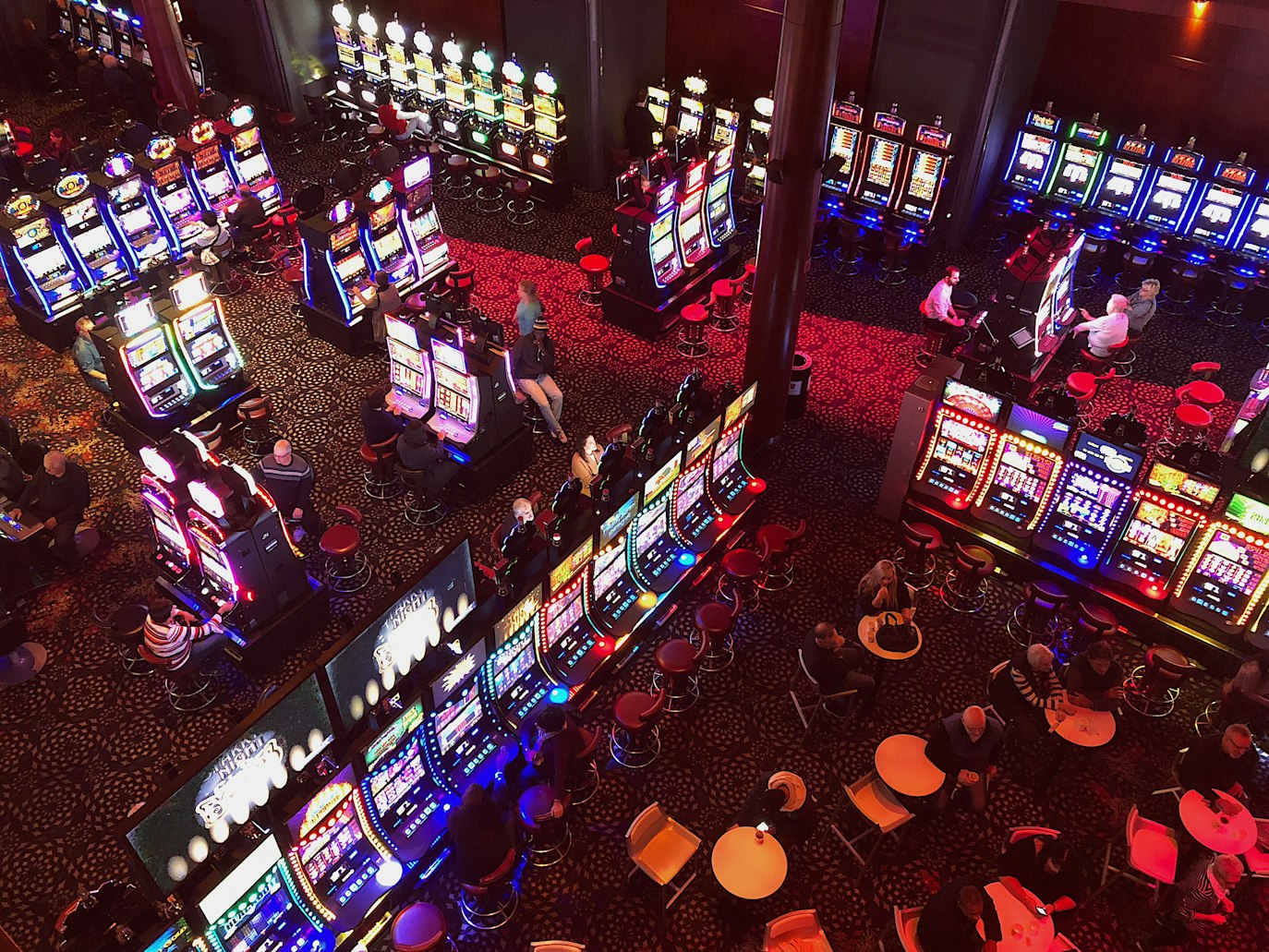
The way gambling is practiced and regulated varies dramatically across different cultures. In some countries, such as the United States, gambling is widely accepted and integrated into mainstream entertainment, leading to a booming casino industry. Conversely, in places like Japan, gambling is tightly regulated, with specific forms like pachinko being popular, yet not without restrictions.
This cultural variation influences not only the types of games that are popular but also the social dynamics surrounding them. In certain cultures, communal gambling events strengthen social bonds, while in others, gambling can lead to stigma and social isolation. Understanding these cultural nuances helps to highlight the diverse landscape of gambling behaviors worldwide.
The introduction of technology has transformed gambling behaviors across the globe. Online casinos, mobile gaming apps, and virtual reality environments are reshaping how individuals engage with gambling. In cultures where traditional gambling methods are prevalent, technology is introducing new dynamics that appeal to younger generations, making it essential to explore innovations in the casino sector.
Moreover, technology influences access and engagement. Countries with advanced internet infrastructure often see a rise in online gambling participation, creating new challenges and opportunities for responsible gambling measures. The blend of technology and culture continues to evolve, prompting discussions about the future of gambling behavior in a digital age.
Gambling behavior is often reflective of broader social issues, such as economic disparity and mental health concerns. In some cultures, gambling can be a means of escaping financial hardship, leading to cycles of addiction and poverty. This relationship between gambling and social issues necessitates a nuanced understanding of its implications on communities.
Additonally, public attitudes towards gambling can influence regulatory frameworks and support systems. In societies that stigmatize gambling, individuals struggling with addiction may lack access to necessary resources. Conversely, cultures that foster open discussions about gambling can lead to more effective support structures, highlighting the importance of cultural sensitivity in addressing gambling-related issues.
Postlight is dedicated to exploring the intersection of culture and technology, providing insights that can help understand complex behaviors like gambling. By examining cultural influences, Postlight aims to foster a more comprehensive dialogue about the implications of gambling worldwide.
Through their commitment to insightful content, Postlight endeavors to shed light on the diverse perspectives surrounding gambling, encouraging a broader understanding of how cultural contexts shape individual behaviors. This focus not only enriches discussions but also contributes to developing responsible practices in gambling industries globally.